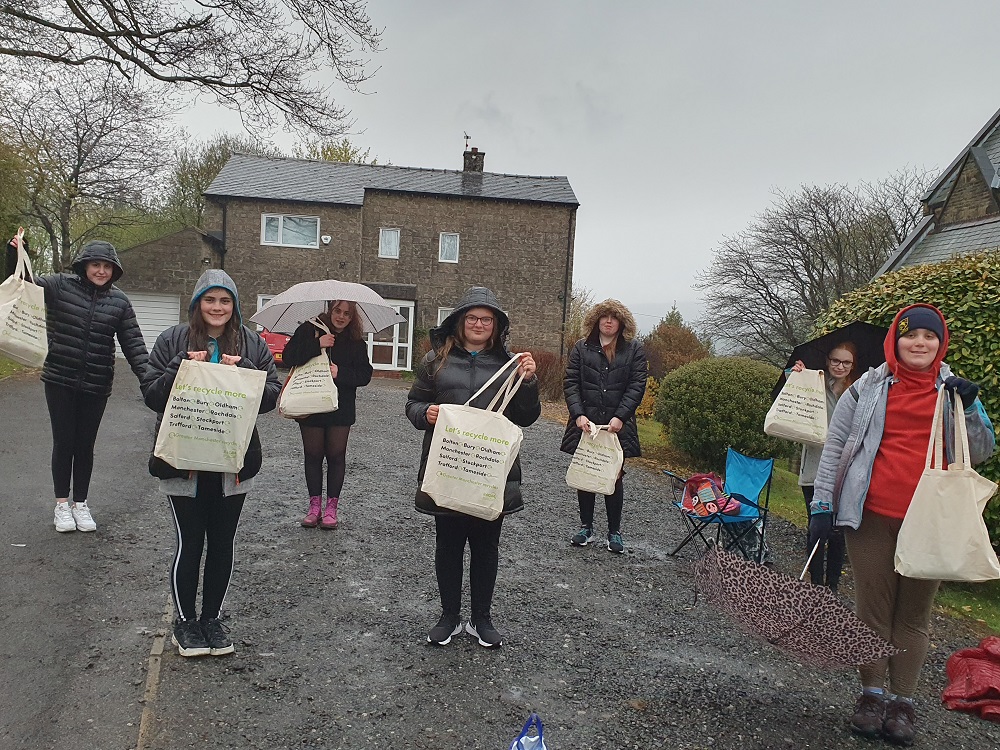
The group enjoyed a virtual recycling session with our Education team enabling them to be eligible to enter the quiz and with the highest number of students going online and taking part they were announced as our March winners.
Each student who took part has received prizes which includes a reusable bag, reusable water bottle and recycled pencil.
Congratulations to Rochdale Rangers!
Are you looking to book a virtual session? You can do so by visiting this page on our website.
If you haven’t already why not test yourself by taking part in the quiz today.

Top tips to help you enjoy a greener Easter by minimising waste and recycling wherever possible.
READ MORE
Here’s everything you need to know to stay sustainable during your Seder and spring cleaning.
READ MORE
If you’re preparing to observe in the Holy month of Ramadan this year you are probably busy planning on self-reflection, donating and family time. And eating, of course. Here’s our guide to staying sustainable this Ramadan…
READ MORE
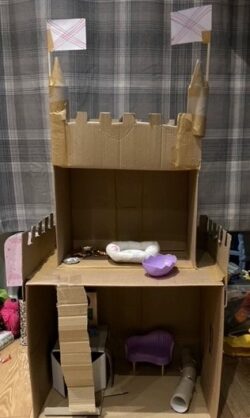
Congratulations to Abbie and her younger brother Max who are March’s gallery winners.
Abbie, aged 7, and Max made a castle from cardboard boxes, paper, parcel tape, toilet rolls and ice lolly sticks. We think it’s a palace fit for a Recycle-King!
Our Recycle for Greater Manchester gallery has had lots of entries over the last few months from children across the city-region.
Do you want to share a recycling project with us?
Take a photo of something your child has done relating to recycling at home – it could be a picture or poster, a poem, or a sticker. It could even be a photo of your recycling bins being used correctly at home.
We will display their work in our gallery and once a month a winner will be chosen from all the entries in each month. Please upload a landscape photograph.
Top tips to help you enjoy a greener Easter by minimising waste and recycling wherever possible.
READ MORE
Here’s everything you need to know to stay sustainable during your Seder and spring cleaning.
READ MORE
If you’re preparing to observe in the Holy month of Ramadan this year you are probably busy planning on self-reflection, donating and family time. And eating, of course. Here’s our guide to staying sustainable this Ramadan…
READ MORE
A massive round of applause for Alice, aged 7, who is February’s gallery winner.
During her time at home Alice has designed and created a fantastic six-hole crazy golf course made out of rubbish.
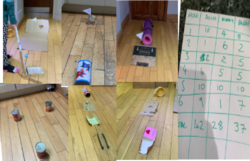
Alice will be receiving a recycling superhero teddy soon as her prize.
If you or someone you know is interested in entering a piece of “rubbish” artwork please visit our website to find out more.
Top tips to help you enjoy a greener Easter by minimising waste and recycling wherever possible.
READ MORE
Here’s everything you need to know to stay sustainable during your Seder and spring cleaning.
READ MORE
If you’re preparing to observe in the Holy month of Ramadan this year you are probably busy planning on self-reflection, donating and family time. And eating, of course. Here’s our guide to staying sustainable this Ramadan…
READ MOREProperty has been destroyed and homes have been seriously damaged nearly 800 times a year as a result of faulty or mistakenly used electrical appliances, Greater Manchester Fire and Rescue Service (GMFRS) has revealed.
These fires have led to a total of 218 people recorded as having been injured as a result over the past three years – an average of 73 people a year.
Analysis of incidents over the past three years (April 2017 to March 2020), has shown an average of 786 fires a year were traced to a cause involving electrical equipment.
They include:
• 409 fires caused by faulty wiring, cabling and plugs
• 111 fires caused by electric lighting
• 96 fires caused by heaters, fires or heating equipment
• 82 fires caused by washing machines and tumble or spin dryers
• 59 fires caused by power generation equipment, such as batteries or generators
• 29 fires caused by fridge/freezers, dishwashers and kettles
The figures – released on Monday 23 November to mark the start of national Electrical Fire Safety week – include faults with the electrical appliances and related causes, such as faults with the wiring and with the way the appliance has been used, for example by a heater catching light to furniture or food setting light in a microwave oven.
The impact of these fires can be very serious.
Although in most cases the fire was contained in the room where it started, in seven per cent of cases the fire had spread beyond the room where the fire started, and in three per cent of cases it affected the whole building.
As part of their incident log GMFRS records whether anyone in the property suffered injury, but the seriousness of the injury is not recorded because this is a judgement of the NHS staff who treat the victims.
GMFRS Head of Prevention, Paul Duggan, said: “Faulty electrical equipment, loose wiring, frayed cabling and overloaded sockets can all spark a fire.
“In addition, the way electrical appliances like heaters are used can set light to whatever is next to them – such as curtains, furniture or your own clothing.
“And the contents of something like a microwave oven or a tumble dryer can set light and spread if it is set too hot or runs for too long.
“It’s particularly important to check the safety of electrics at this time of year, when people may be using an electric heater for the first time this winter, or they may be plugging in items like Christmas lights which have been in storage for a year.”
Electrical Fire Safety week is led by the charity Electrical Safety First, in collaboration with the National Fire Chiefs Council.
They are warning this year to beware of buying fake, sub-standard and potentially deadly electronic items from online marketplaces, such as Amazon and eBay, where a lack of regulation means sellers are not subject to the same standards as trusted manufacturers.
A fire may start in the charger as well as the appliance and GMFRS has recently had to deal with fires that have started in the charger of e-cigarettes that have been bought cheaply from unregulated suppliers.
Recycle for Greater Manchester, which operates the region’s household waste and recycling centres, is also urging people not to place battery operated electrical items in their general rubbish bin.
This is because the battery may spark a fire, even if it is “dead”, if it later crushed or damaged. This usually happens in the waste disposal site and can lead to serious fires.
Recycle for Greater Manchester is asking instead for these items, along with mains-powered faulty or damaged electrical appliances, to be stored safely at home during the current Covid restrictions and then brought to the household waste and recycling centre when it is safe to do so.
Paul added: “Fires in electrical appliances can become very serious. At the very least they will destroy the appliance, but they can also cause great damage to the room they are in.
“If the fire spreads or takes hold it can cause very serious damage to people’s homes. We can see also that they lead to dozens of people suffering a health injury too.
“However, people can take simple precautions that can minimise the risk, by checking over their electrics and appliances, taking care where they buy products, and making sure what they use is safe.
“A working smoking alarm on each level of your home will also alert you to a fire.”
Further information on safe use of electrical appliances is available on the GMFRS website.
Top tips to help you enjoy a greener Easter by minimising waste and recycling wherever possible.
READ MORE
Here’s everything you need to know to stay sustainable during your Seder and spring cleaning.
READ MORE
If you’re preparing to observe in the Holy month of Ramadan this year you are probably busy planning on self-reflection, donating and family time. And eating, of course. Here’s our guide to staying sustainable this Ramadan…
READ MORE
Our latest blog post is from Carl of Lentils and Lather eco-friendly and ethical superstore in Withington. Find out how Lentils and Lather is helping the community to use less plastic and shop more sustainably.
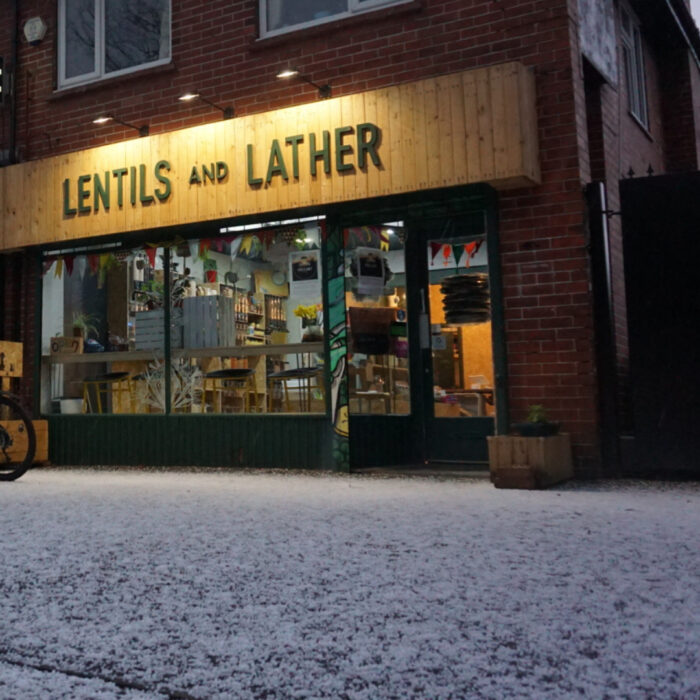
We started Lentils and Lather just over a year ago with the primary objective of enabling the people in our community to reduce the amount of plastic waste they produce. However, in the short time that we’ve been open, we’ve gained a lot of knowledge about a whole host of issues and have broadened our goals to include a range of sustainable and ethical practices. These include buying locally where possible to minimise carbon emissions and supporting other local programmes and businesses that have an ethos similar to our own.
Let’s break that down a little to see what we mean and how we address those key areas in our operation.
Plastic packaging is so entwined with modern life that it’s not until you actually stop and think about what happens to your waste each week when the bins are collected that you realise that something isn’t right with how we’ve been treating this material. Plastic is a brilliant invention, but is there really any need to wrap your packet of pasta in plastic, just so you can take it from the shop to your kitchen cupboard? A shampoo bottle is perfect in the shower as it’s durable, water-resistant and it’s strong polymer structure means it could last a lifetime – why then, do we bin it after just a few weeks?
This is where shops like ours come in to play. You can turn up at Lentils and Lather (there are others around Greater Manchester too!) with your containers, which you can refill with many of the products you need around the home. We buy in bulk and sell by weight, so you can take as much or as little as you need. Our range includes things like olive oil, rice, lentils (obviously!), chickpeas, shower gel, hair conditioner, laundry liquid, fabric softener, surface cleaners, hand soap and much, much more.
We endeavour to minimise any plastic packaging that’s used in our supply chain. For example, we buy things like pasta, rice and lentils in 5-25kg paper sacks, but where we really do need plastic (e.g. liquids) we opt for suppliers that operate a circular supply system. Our suppliers provide their products in 25L containers that they take back when they’re empty to clean, refill and reuse many times over. This retains the value of the plastic that’s been formed in a particular way; it’s much better than breaking it down and turning it into something else.
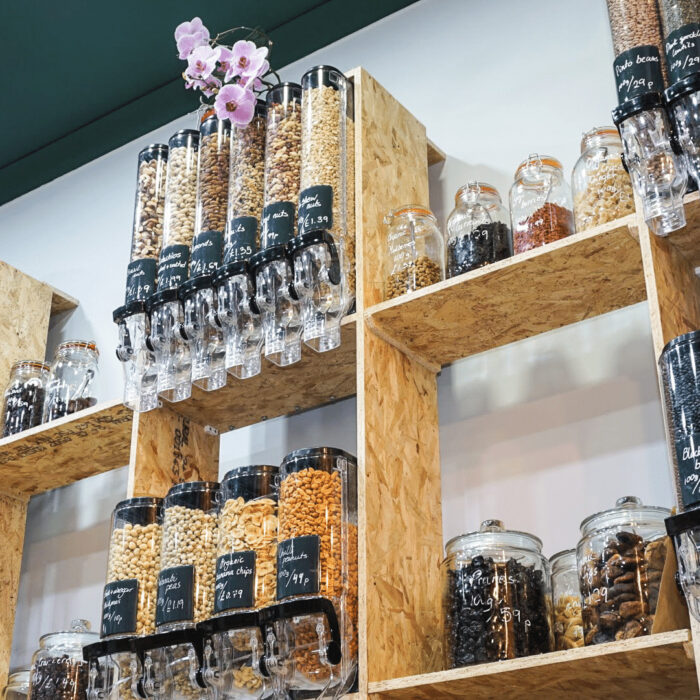
Although we set out with a simple mission to reduce plastic waste, we’ve quickly realised that it’s just one piece in the sustainability puzzle.
One of the biggest, but most easily attainable actions we can achieve is to look at where our goods come from and reduce the carbon footprint needed to get a product from manufacturer to consumer.
Many of the products we stock are made by local, independent manufactures, who provide us with a wide range of things from reusable face wipes, wax food wraps, face coverings, soap bars, plant pots, kitchen cloths/sponges and butty bags.
Food-wise, we stock vegan chocolates that are made in Didsbury, bread that is baked in Chorlton, quinoa and extra virgin rapeseed oil that comes from the Midlands and pasta that hails from London and uses British grains. Many of these products are organic too!
We know that not everything can be made or grown locally, but when we do have to source products from different parts of the world we ensure that our suppliers place sustainable and Fairtrade practices high on their agenda.
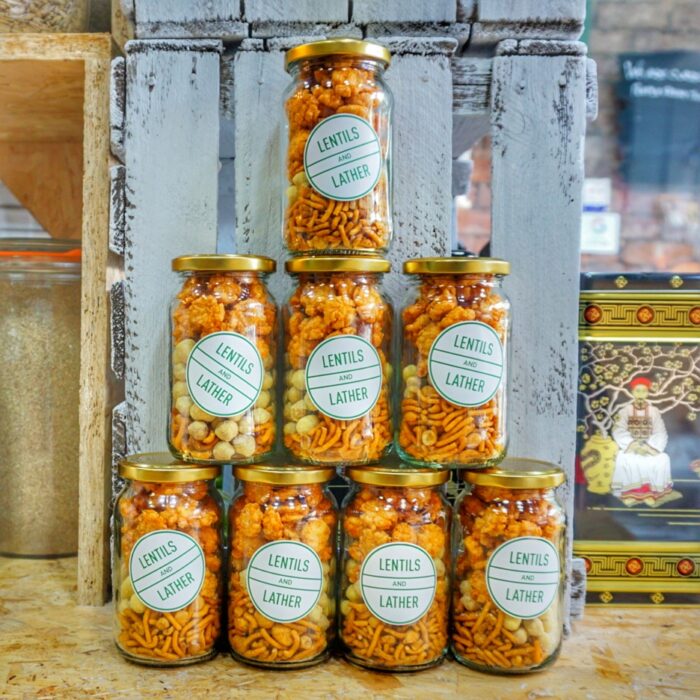
Finally, we’re well aware that there are many others striving to achieve improvements across a wide range of environmental and social issues and we aim to utilise our business to support these however we can.
For example, we came across Chorlton Bike Deliveries towards the end of the lockdown earlier this year and were pleased to hear that there was a group of people offering those who were self-isolating the opportunity to have goods delivered by bike from a range of local shops in the Chorlton area. We made contact with the eco-couriers and signed up to be added to their list of suppliers and help raise awareness of their mission. We also act as a collection point for locally grown produce delivered by Veg Box People.
We utilise our buying power to make regular donations to a charity that supports vulnerable and disadvantaged adults as well as collecting empty crisp packets for a guide dog charity who generates a revenue stream by sending them to Terracycle.
Finally, we’ve just launched our own loyalty card where customers can claim a number of rewards, one of which is a contribution to City of Trees – a Greater Manchester project that’s transforming unloved woodlands and aiming to plant 3 million trees in our locality.
The things we’ve mentioned in this feature are just a small example of how we’re setting out our stall and there are many more things that we could talk about that can help people who, like us, are concerned for the environment. Being small and independent means that we’re able to take a flexible approach to how we run our business and no doubt there will be many changes in the future as we learn of new ways to have an impact on plastic waste and other environmental issues.
Top tips to help you enjoy a greener Easter by minimising waste and recycling wherever possible.
READ MORE
Here’s everything you need to know to stay sustainable during your Seder and spring cleaning.
READ MORE
If you’re preparing to observe in the Holy month of Ramadan this year you are probably busy planning on self-reflection, donating and family time. And eating, of course. Here’s our guide to staying sustainable this Ramadan…
READ MORE
• Rogue traders are operating in your area
• If the price of skip hire seems to be too good to be true it probably is
• Everyone has a duty of care where waste ends up
Facebook users in the North West who use unregistered waste carriers could become accidental criminals, warns the Environment Agency.
This warning comes following a successful partnership which saw the Environment Agency and Local Authorities across the North West use social media to raise duty of care awareness.
Waste carriers, like other licensed trades, are required to register and operate in line with a set of rules that protect the environment and their customers. These rules include disposing of waste in the right place, storing it safely and keeping accurate records of transfer and disposal. If you fail to do this you could face a £5,000 fine.
Registered waste carriers in the North West have become concerned about the number of waste removal adverts and self-promotion on Facebook and other social media platforms offering to take away people’s rubbish.
If these traders don’t have a waste carriers’ licence, there is no guarantee rubbish will go to an authorised legal site. Instead, it could end up dumped on the side of the road or burned in a field, causing environmental damage. And the person who hired the unregistered trader could face a criminal charge.
Mark Easedale of the Environment Agency said: “Rogue traders using social media to con people into parting with their waste are the new door steppers. People are then discovering their waste has turned up in a country lane or beside the road. These illegal waste carriers undermine legitimate businesses, undercut their prices and blight the environment.
“We want people to take three steps to check whether the collector has a waste carriers’ license from the Environment Agency: ask where the rubbish will end up, don’t pay cash and insist on a receipt, then record the details of the vehicle used to take the rubbish away.
“If people suspect criminal activity, they should report it on our hotline 0800 807060 or anonymously through CrimeStoppers on 0800 555111 and give as much detail as possible. Let’s work together to stamp out waste crime and protect our beautiful countryside.”
All householders have a duty of care to ensure their waste is disposed of legally. Failing to meet the duty of care means that people could be held responsible if their waste is fly-tipped or otherwise illegally disposed of. If this happens and they have not met their duty of care, they could be fined up to £400.
Before hiring someone to remove waste, householders should check their credentials on the Environment Agency website.
Top tips to help you enjoy a greener Easter by minimising waste and recycling wherever possible.
READ MORE
Here’s everything you need to know to stay sustainable during your Seder and spring cleaning.
READ MORE
If you’re preparing to observe in the Holy month of Ramadan this year you are probably busy planning on self-reflection, donating and family time. And eating, of course. Here’s our guide to staying sustainable this Ramadan…
READ MORELeaf mould is just decomposed leaves that have been broken down by fungus.
Good quality, well-rotted leaf mould (more than two years old) can be used as seed-sowing compost, or mixed equally with sharp sand, garden compost and good quality soil for use as potting compost.
Leaf mould that is less than two years old can be used as mulch, soil improver (worms love it!) autumn top-dressing for lawns, or winter covering for bare soil.
Yes, but some types of leaves break down quicker than others.
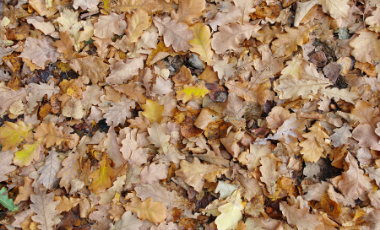
Leaves from evergreens, conifers and pines are slow to decompose. It is better to add these to your compost heap.
It’s totally fine to use your lawn mower to shred any leaves together. Any grass clippings gathered at the same time will help to increase the nutrient value of the leaf mould. However, if your lawn contains weeds, be careful as you don’t want to be adding weed seeds to your leaf mould!
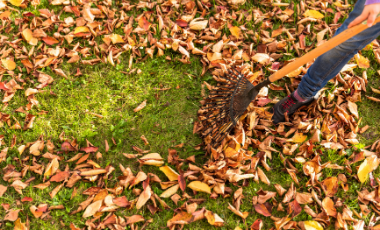
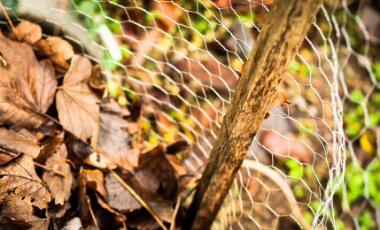
For more tips about composting, visit our Let’s Compost Now page.
Top tips to help you enjoy a greener Easter by minimising waste and recycling wherever possible.
READ MORE
Here’s everything you need to know to stay sustainable during your Seder and spring cleaning.
READ MORE
If you’re preparing to observe in the Holy month of Ramadan this year you are probably busy planning on self-reflection, donating and family time. And eating, of course. Here’s our guide to staying sustainable this Ramadan…
READ MORE
Read how lockdown has changed our Jess’s food shopping habits and how she batch cooks meals to save money and on time spent on washing up!
Over the past few months I’m sure I’m not the only one who has changed my shopping habits when it comes to food. Before lockdown I would find myself doing small shops several times a week on my way home from work, buying food just for that evening’s meal. Now I wait until a weekend, make a list and do a much bigger weekly shop with a rough idea of meals planned. Also, with less plans at the weekend I’ve been using some of this extra time to batch cook for the week – this takes the hassle out of cooking during the week after work.
Batch cooking meals which only requires one pot to wash up after is even better, so below I have shared some ideas of what I’ve been cooking that requires very little washing up (these are vegetarian but can easily be changed to include meat):
Batch cooking is also great for using up any leftover vegetables you may have in your fridge that are nearly past it as the recipes and ingredients are really flexible. These meals can then be portioned and then reheated on the day you want them and served with rice, pasta or bread (which doesn’t require too much cooking in the evening!)
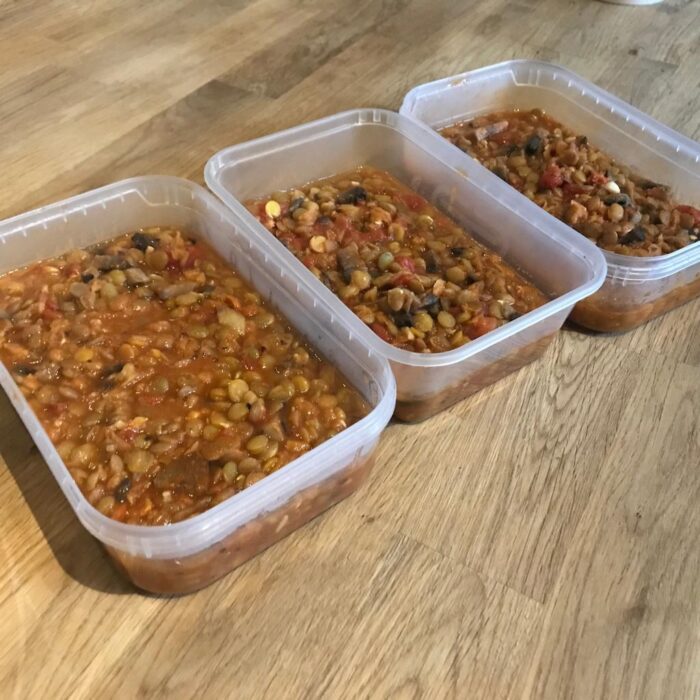
In my local supermarket it is hard to find loose and single items such as onions, potatoes and leeks. However when batch cooking, I can use up entire packets when cooking multiple portions of one meal, meaning less waste and no more sad looking leeks at the back of your fridge.
The past few months have made me rethink my old shopping and cooking habits. I used to pop out to the shop if I didn’t fancy what I already had in the fridge for tea. The way I have been shopping recently will be something I carry on doing as it has saved me money and food waste.
Top tips to help you enjoy a greener Easter by minimising waste and recycling wherever possible.
READ MORE
Here’s everything you need to know to stay sustainable during your Seder and spring cleaning.
READ MORE
If you’re preparing to observe in the Holy month of Ramadan this year you are probably busy planning on self-reflection, donating and family time. And eating, of course. Here’s our guide to staying sustainable this Ramadan…
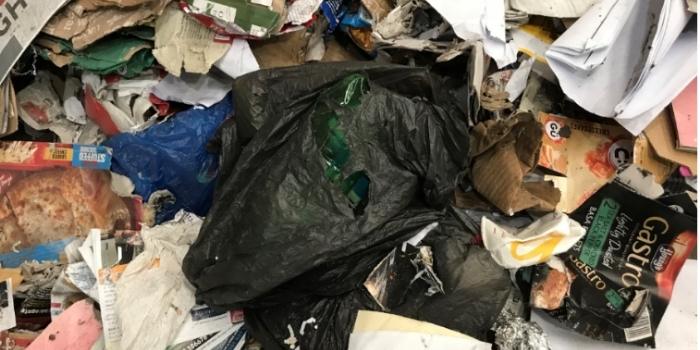
READ MOREMost people are recycling right in Greater Manchester. However truck loads of paper and card collected last year couldn’t be recycled because some people are putting the wrong things in their paper and card bins and even purposely hiding rubbish in their bins.
This is a problem because companies that process paper and card only want dry paper and card recycling. Wrong things in the recycling bin, lowers the quality which means they can’t recycle it and it will end up being processed as general waste instead.
For every tonne of poor quality paper and card which has to be processed as general waste, costs your council, on average, an extra £88 per tonne – that’s up to £520 per truck load.
In June, 168 lorry loads were rejected, which is 833 tonnes.
When your paper and card recycling bins are collected and emptied they go to a transfer loading station in Greater Manchester where the truck load is inspected.
Things that we found include:
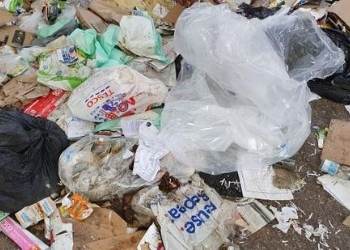
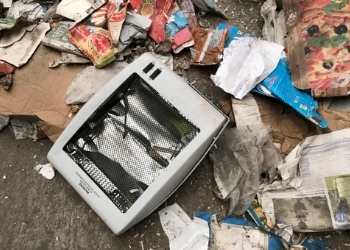
Hundreds paper and card bins are emptied every week across Greater Manchester. There are staff to inspect the quality of the truck loads but they only have minutes to do this – it is not their job to sort out other people’s rubbish.
No, good quality paper and card recycling is delivered to Saica a paper and recycling company in Carrington.
No, nappies and wet wipes are mostly made of plastic. Nappies and wet wipes should go in your general waste bin.
We need everyone in Greater Manchester recycling right.
Make sure you only recycle paper and card in your paper and card recycling bin. Nothing else.
These are the things you can put in your paper and card bin:
1. Tell your friends and family how to recycle right
2. Follow @recycle4gm on Facebook, Twitter and Instagram
3. Take part in a virtual open day and see what happens to your recycling
4. Subscribe to our newsletter
5. Tell your local school or community group to book a virtual visit to our recycling facility
Top tips to help you enjoy a greener Easter by minimising waste and recycling wherever possible.
READ MORE
Here’s everything you need to know to stay sustainable during your Seder and spring cleaning.
READ MORE
If you’re preparing to observe in the Holy month of Ramadan this year you are probably busy planning on self-reflection, donating and family time. And eating, of course. Here’s our guide to staying sustainable this Ramadan…
READ MORE