Don’t believe everything you hear when it comes to composting. Here’s 5 common composting myths with some surprising truths!
Myth #1: Composting smells
People think that a composter is guaranteed to cause a bad odour. The truth is that compost doesn’t always smell – and if bad smells do arise can be quickly banished. For example, if your compost smells of rotting vegetables or rotting eggs, then is probably due to too little oxygen in the mix. Simply turn your compost pile to get more air get into it and the problem should go away.
Another common complaint is your compost smells of ammonia. In this case you probably have too much green material in the mix (e.g. grass clippings, veg peelings). If you add more brown material to the mix to (e.g. cardboard, dried leaves) before long it will be smelling sweet again.
Myth #2: Compost bins attract rats
Often people will avoid composting because they think that it will attract rats – but that’s far from certain. Just like some people rats and mice are on the lookout for a nice meal and some peace and quiet. To keep these unwanted furry visitors away reduce the amount of rat friendly food in your heap and keep the heap well used and busy. Avoid adding cooked food and items like bread, meat and dairy to your compost too, and keep it nice and damp. With these simple steps they’ll probably go elsewhere.
Myth #3: A compost heap takes up lots of space
People are often put off composting because they don’t think they have the space. But composting can take up really as much or as little space as you’d like it to. It’s true that bigger sites can take up large areas of space and create high volumes of the lovely black stuff. However, there are lots of other non-traditional ways to compost in small spaces too (e.g. wormeries, bokashi) – take a look at our previous blog post here: https://recycleforgreatermanchester.com/composting-in-small-spaces/
Myth #4: I use fertiliser on my garden, so I don’t need compost
You may be using fertiliser to feed your plants but adding compost too has so many extra benefits. Compost adds organic material to your soil, improving soil structure, increasing water retention and reducing erosion by surface water runoff. Compost also acts as a slow-release fertiliser, as it continues to break down when added to your soil, providing the nitrogen, phosphorous and potassium that your plants thrive on. Compost-fed gardens tend to have fewer problems with disease and pests and much better yields.
Myth #5: Creating compost is too complicated, and too much like hard work!
Making compost is a natural process that is easy to reproduce at home. Everything composts down eventually – think leaves on a forest floor. Your job is to speed along the process and make sure it happens as effectively as possible. You’ll just need to make sure you follow 3 simple rules: have a good balance of green and brown materials (2-3 parts brown or dry material (cardboard, dried leaves) to 1 part green or wet material (kitchen scraps, grass clippings, weeds); keep it damp but not soggy and keep it aerated (either by turning with a fork or use a compost tumbler).
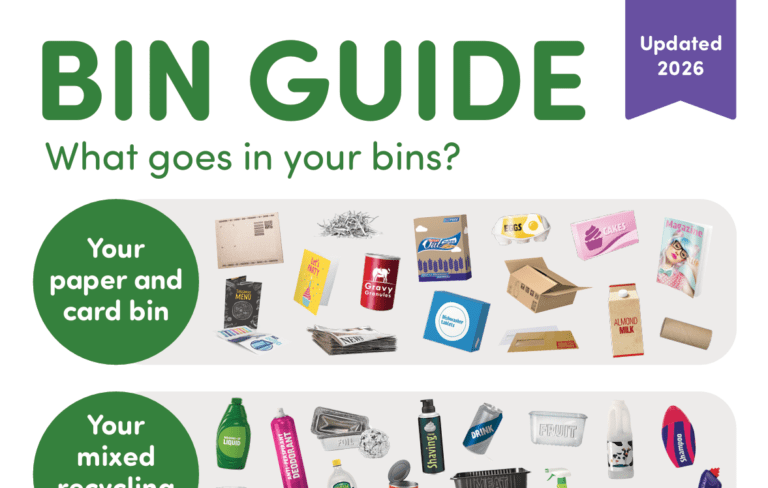
Download your free bin guide. Keep it handy on your phone or print and pop it on the fridge or by the bins.
READ MORE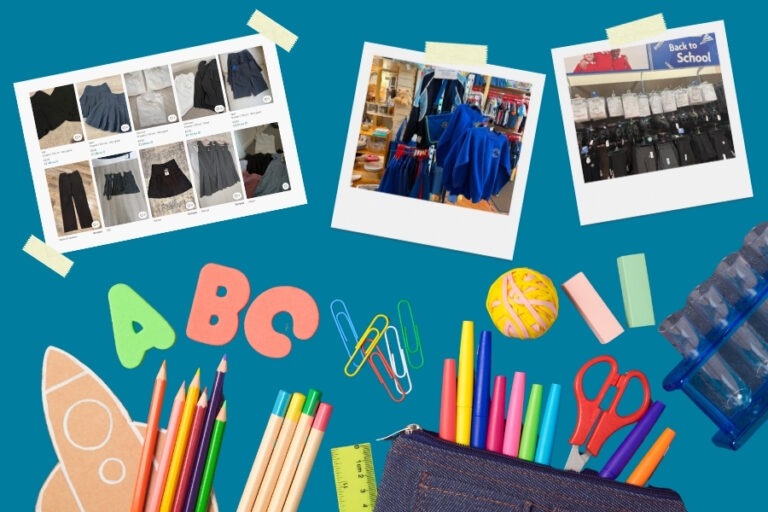
Getting ready for a new school year can cost a lot and create extra waste. Here are a few simple ways to make back to school a bit cheaper and more sustainable.
READ MORE
Meet Crumbs, our food waste kitchen caddy. They might be small, but they have a big appetite and they’re ready to be fed, from banana skins and teabags to eggshells and leftovers, they’ll happily tuck into all the bits you can’t eat. Keep Crumbs fed, give them a quick wash when they need it and they’ll help make sure your food waste is recycled instead of ending up in your general waste bin.
READ MORE